

Best Film Cameras and Film Stocks for Beginners (2026 Guide)
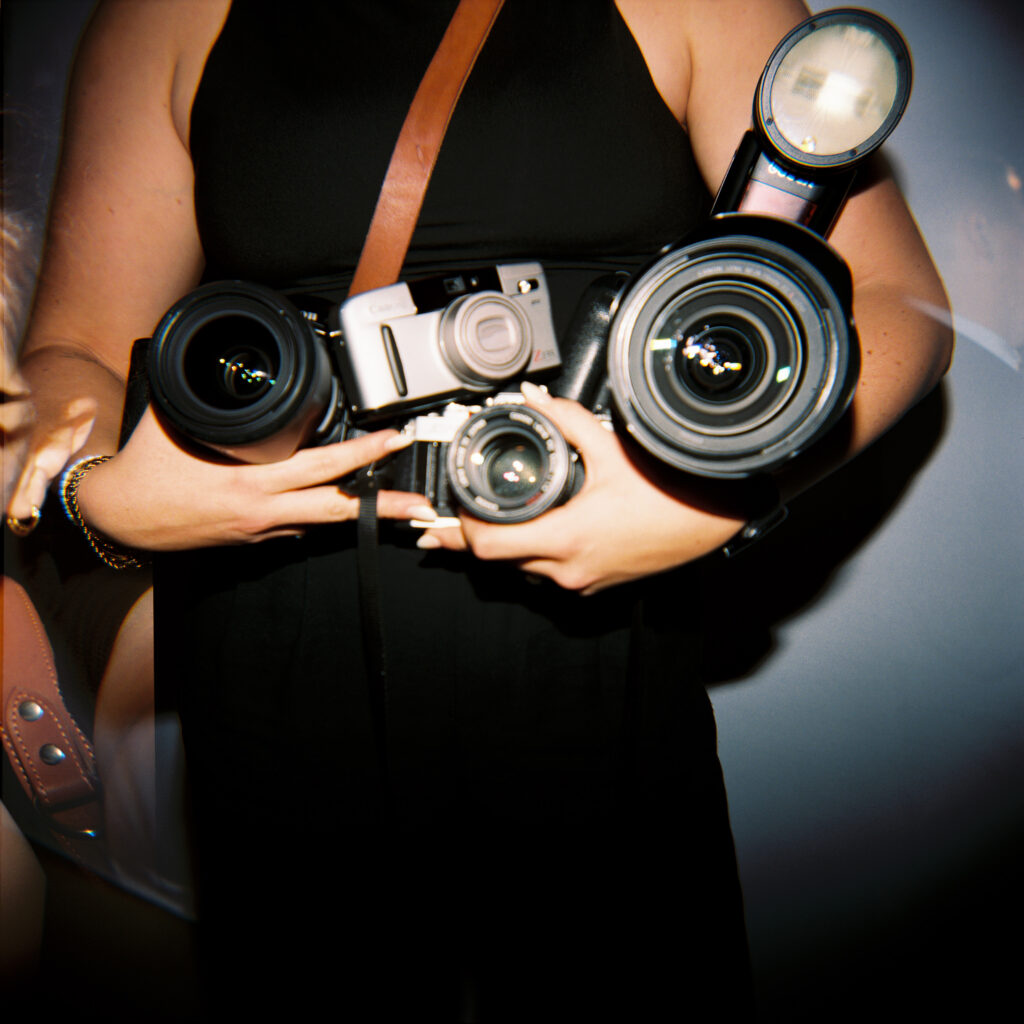
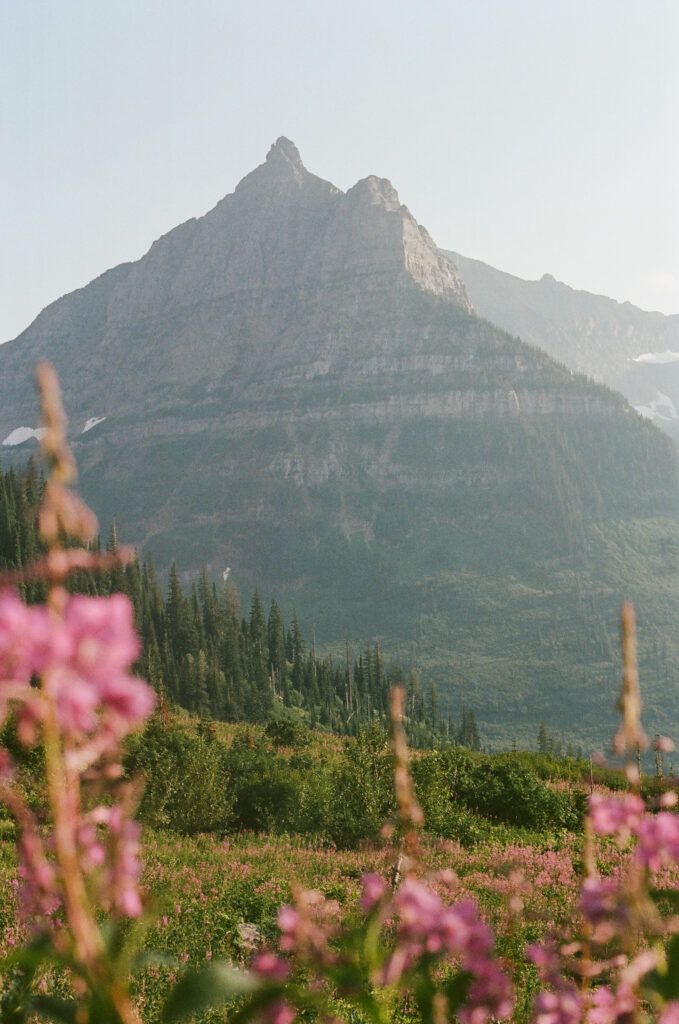
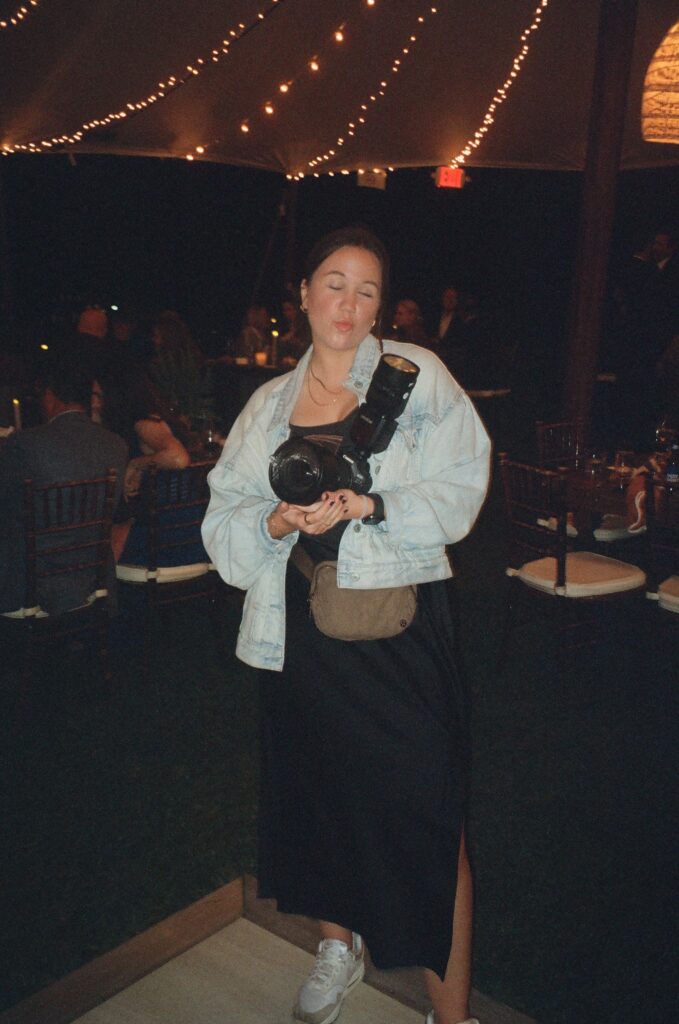
Film photography has become such a core part of my work as a wedding and elopement photographer. There’s just nothing like the softness, the emotion, and the way film captures light, especially in places like Glacier National Park. If you’re wanting to get into film (or elevate your current setup), I’m sharing the exact cameras and film stocks I personally recommend and use, along with why each one has a place in my workflow.
I have spent hundreds of hours and thousands of dollars on film and film developing and while I know there are so many others far more talented than me, I feel as though my photos speak for themselves and I am so proud of them!
At Photos by Kmac, I believe that every photographer should experience the slow, methodical art of analog. Follow this guide to refresh your portfolio and fall in love with photography again. Scroll to the bottom of this blog to shop my go to for film and cameras!
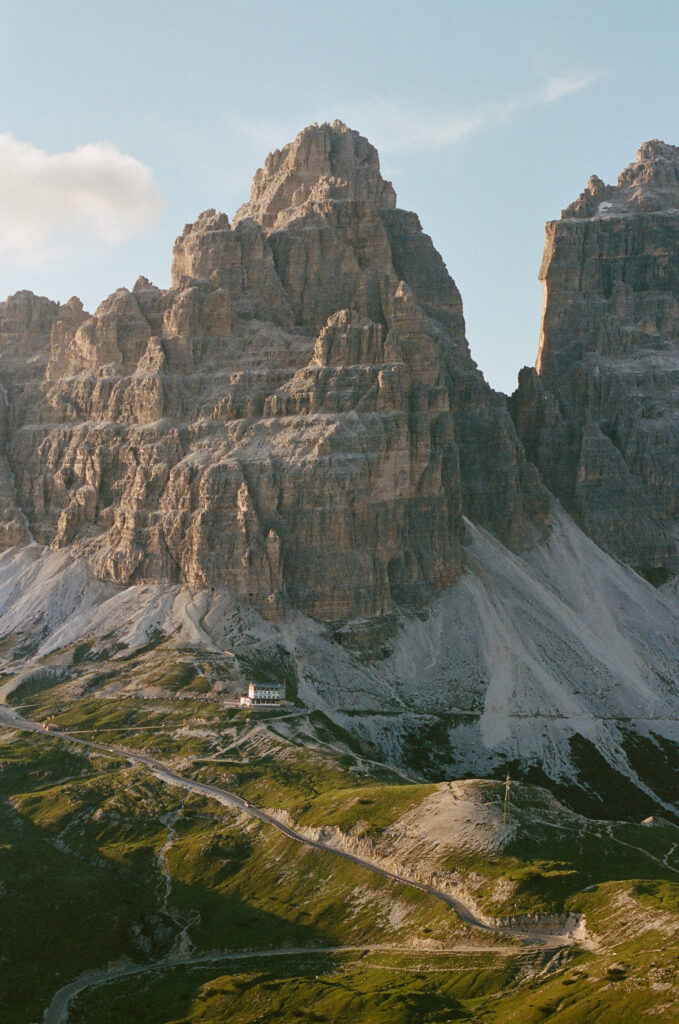
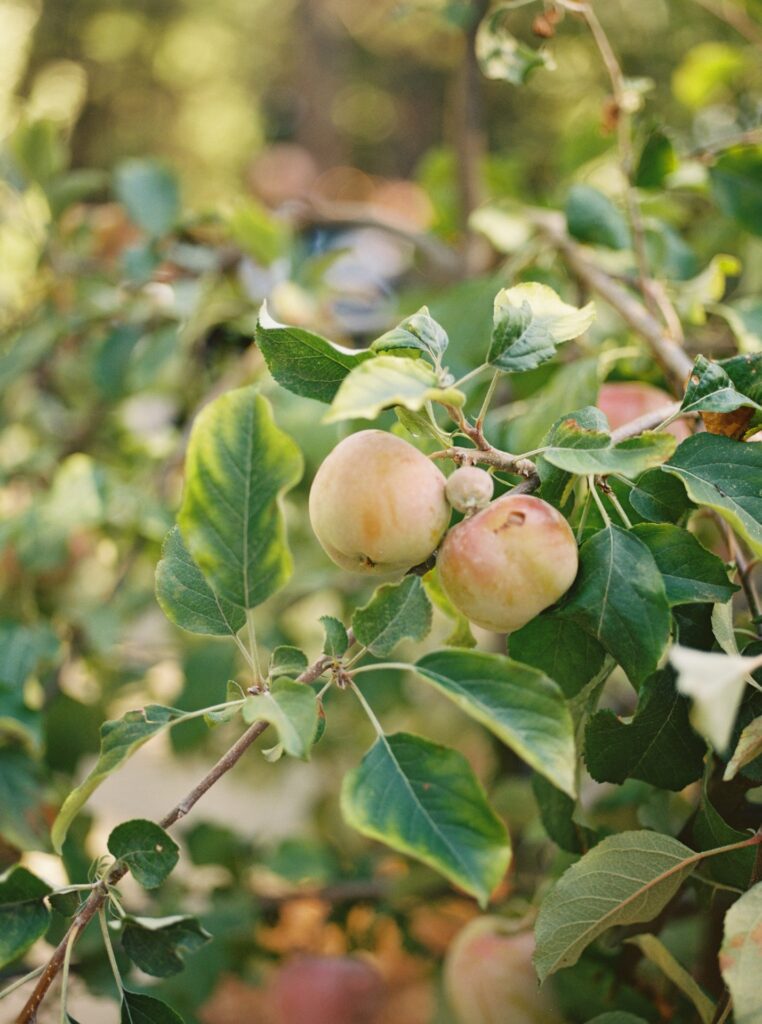
Why digital photographers are returning to analog
The primary reason digital photographers are picking up old film cameras is the “slow down” philosophy. When every click costs money (and physical space), you stop and think. You check the light, you check your composition, and you wait for the right moment. This intentionality often leads to better photographs, even when you switch back to your digital kit.
Then there is the aesthetic. While digital sensors aim for perfection, film embraces character. The way a film stock like Kodak Portra 400 colors a sunset or the texture of grain in a black and white portrait is something that even the best Lightroom presets struggle to replicate. It feels more “real” because it is a physical record of light hitting the film inside the camera.
The good news? Your digital skills translate perfectly. You already understand the relationship between aperture and shutter speed. You know how to compose a frame. Transitioning to film is simply about learning a different way to capture that same light. Figuring out the best film cameras and film stocks for you personally can be daunting, but I’m here to help!
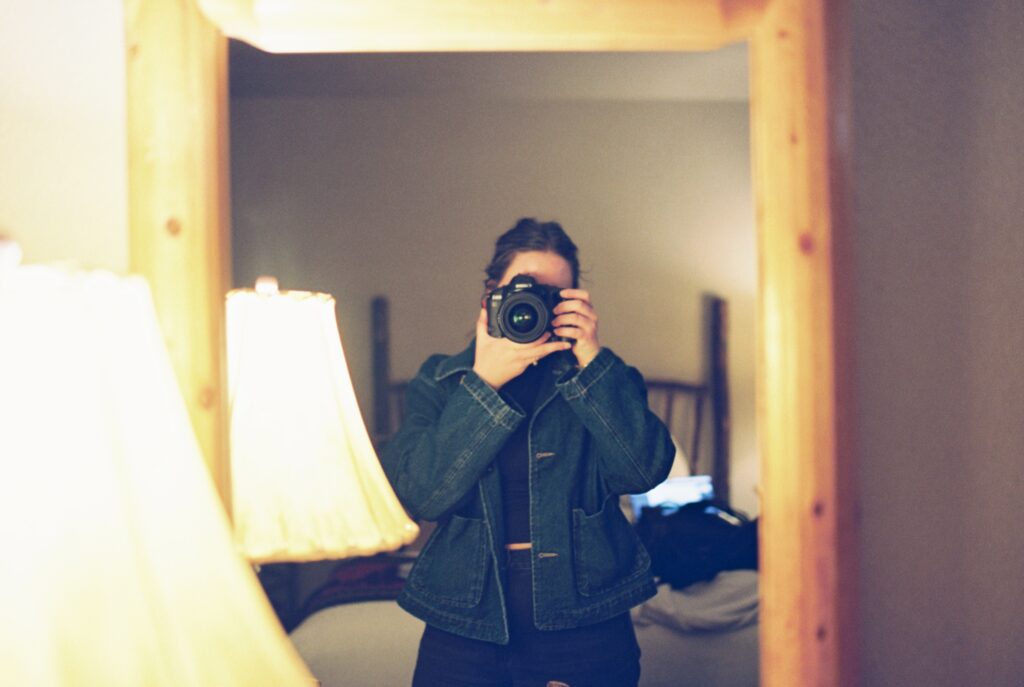
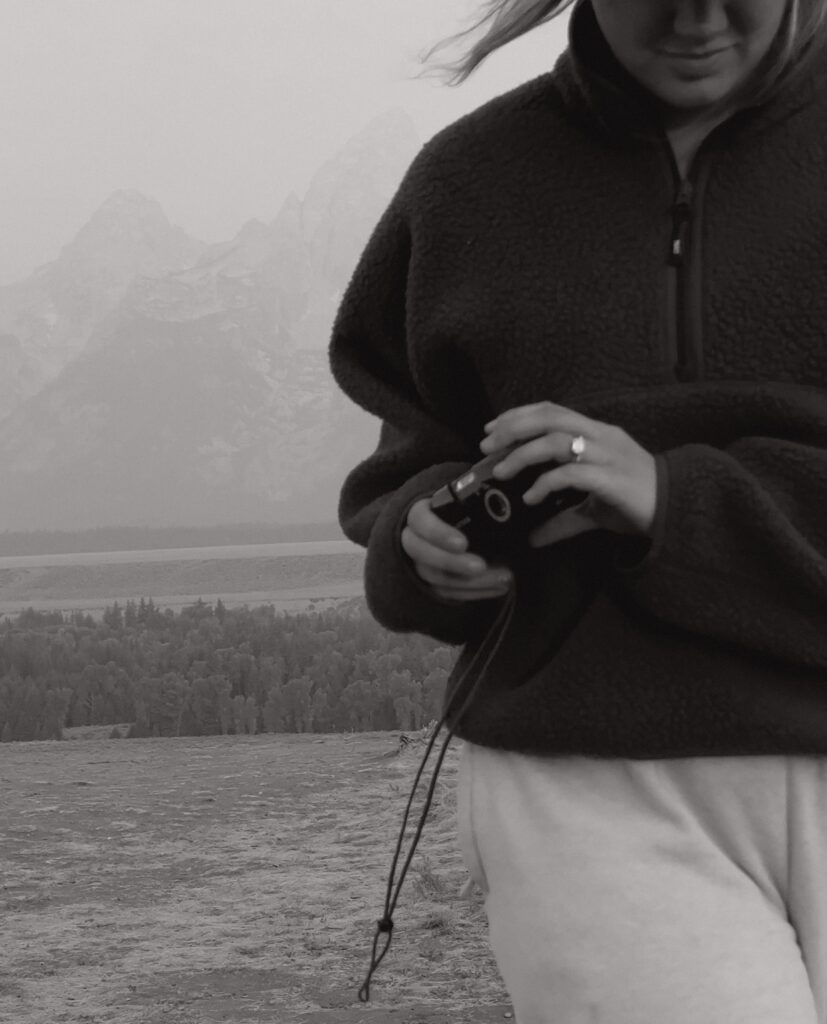
Building your starter kit: My favorite cameras and film stocks
You don’t need to spend thousands on a Leica M6 to get started (even though that is my dream camera). In fact, some of the best entry points are remarkably affordable and offer features that will feel familiar to any digital shooter. The best film cameras and film stocks are different for everyone, so let’s see what’s best for you.
Essential camera types for photographers
Which camera you choose depends on how much control you want and what kind of shooting experience you are looking for. Here are my top recommendations:
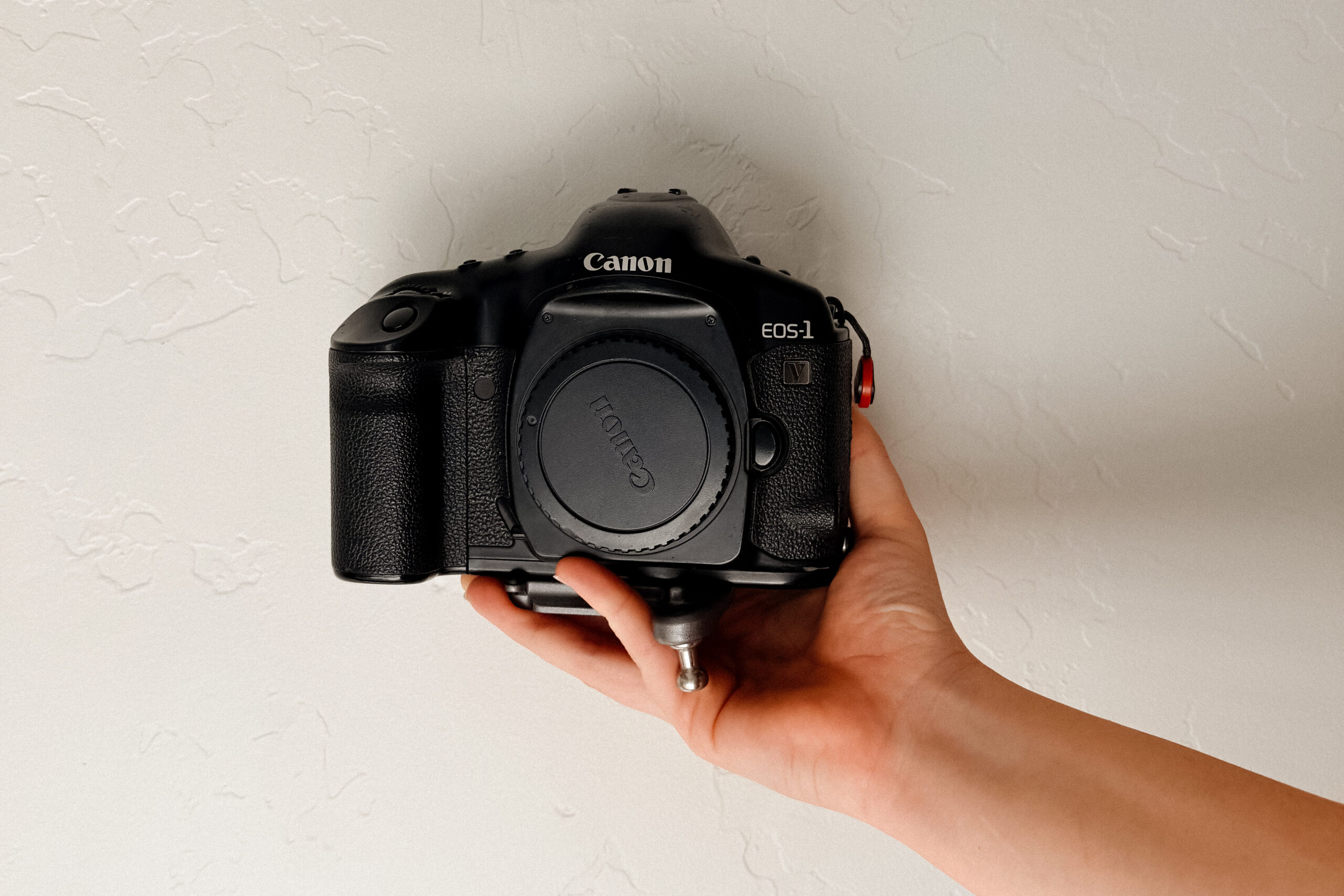
- The Modern Professional (Canon EOS-1V): If you’re used to fast autofocus and the solid feel of a pro DSLR, go for the Canon EOS-1V. It’s weather sealed, packs a 45-point AF system, and feels just like a digital EOS in your hands. I personally love this one so much because even after upgrading my digital cameras, I can still use my EF lenses on the mount.
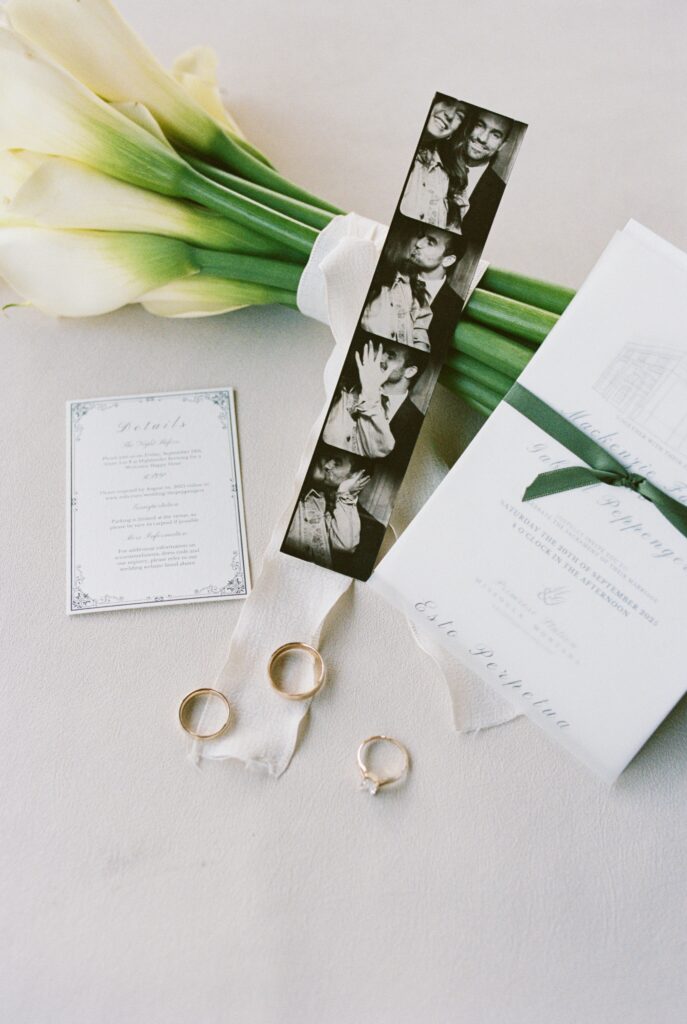
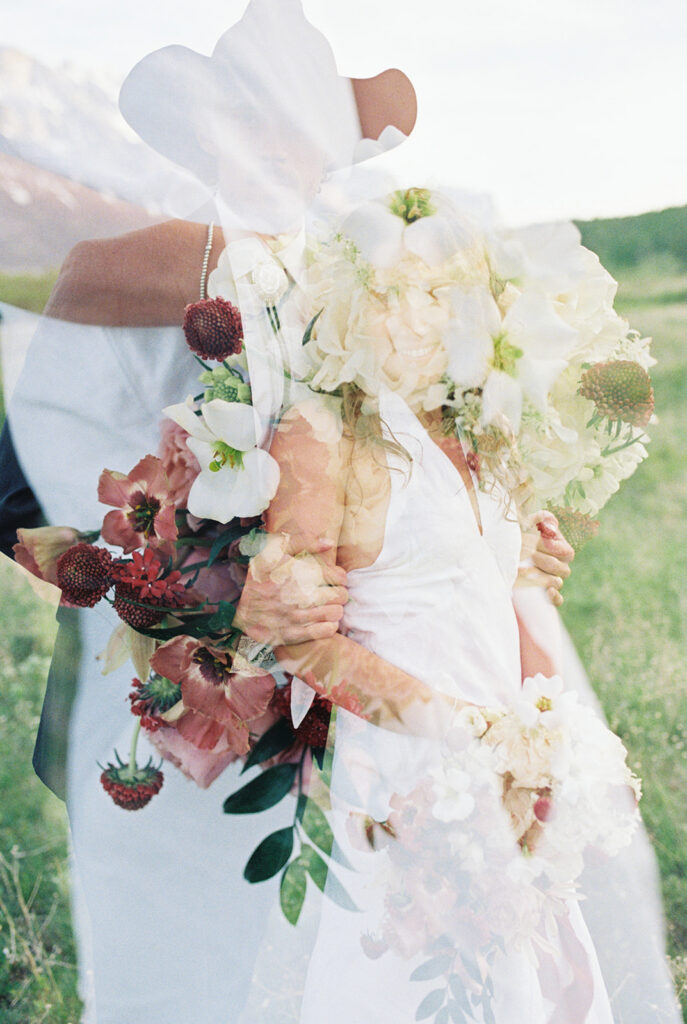
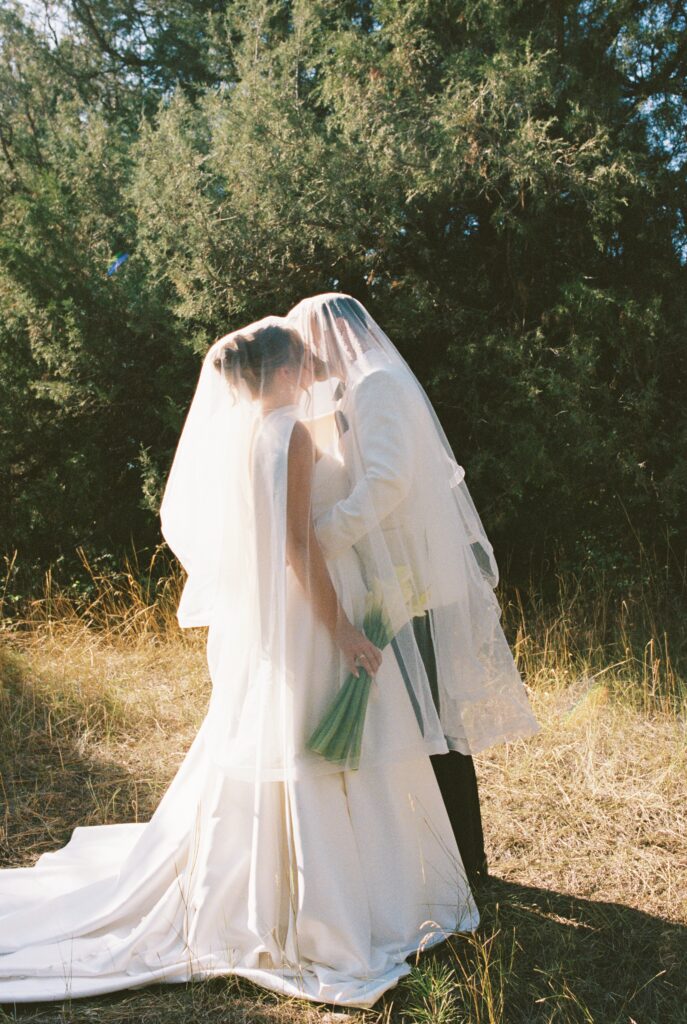
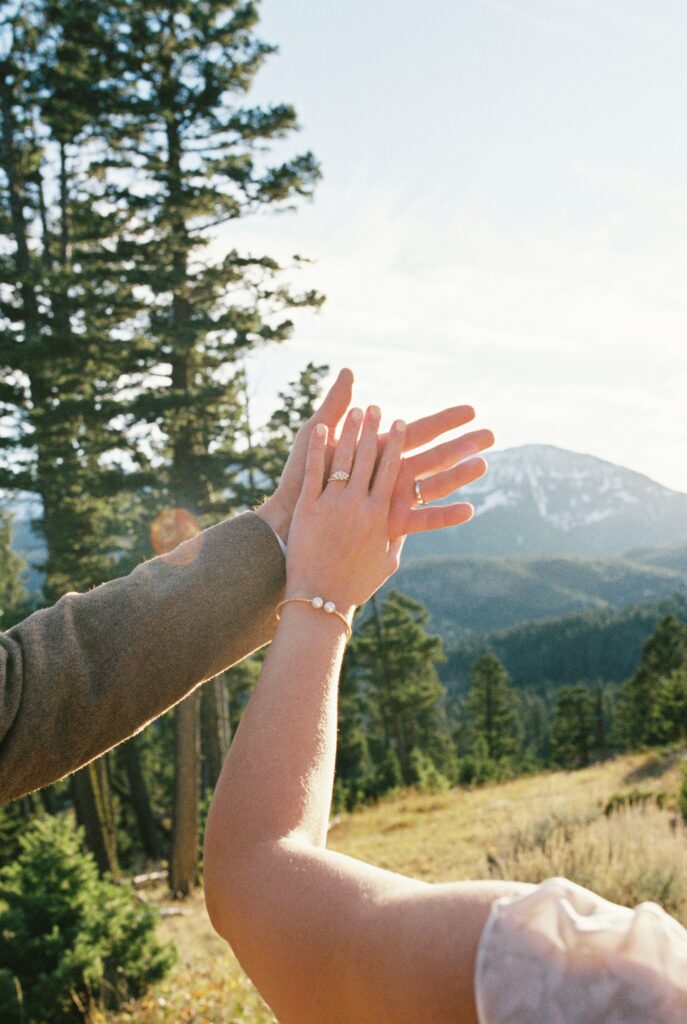
Here are a few photos I took on my Canon 1v, all shot with Portra 400.
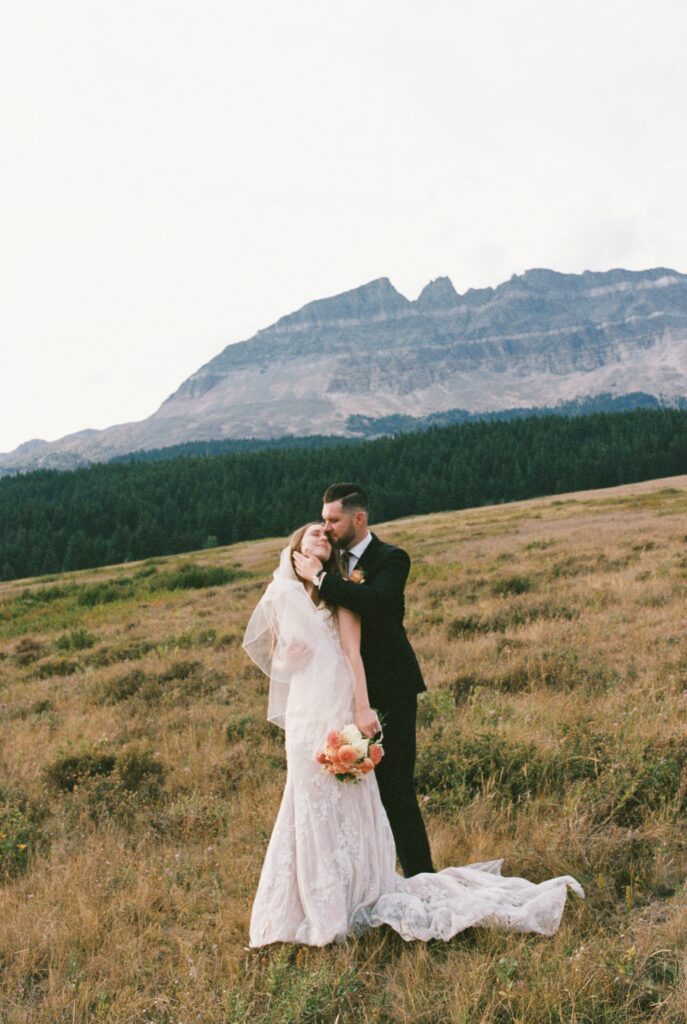
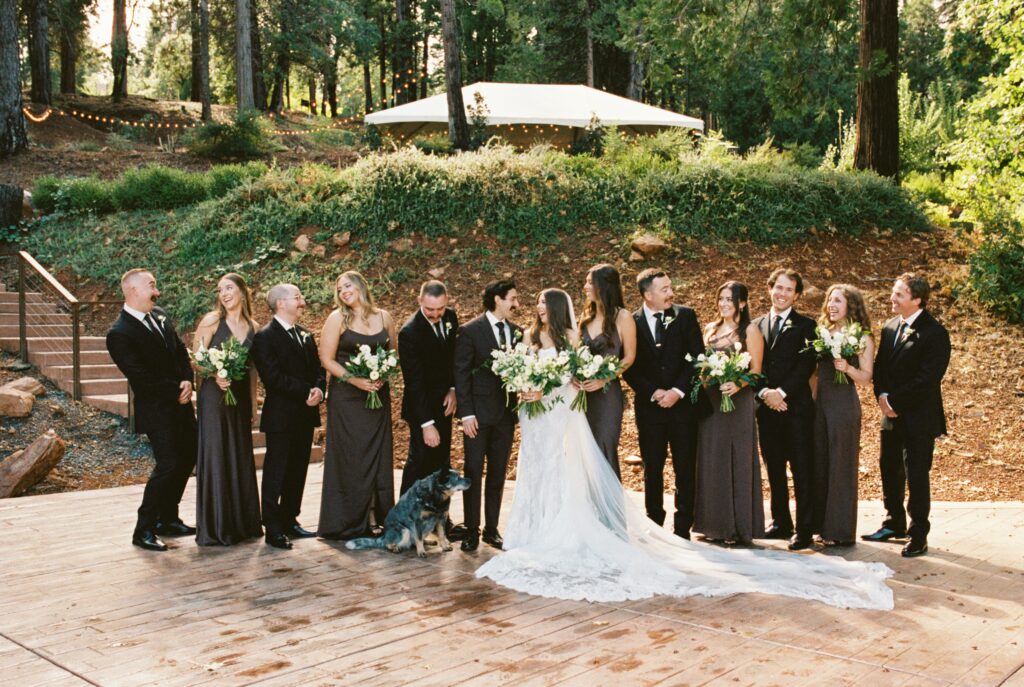
- The Classic Workhorse (Canon AE-1): This is the quintessential entry point. It offers a pure manual experience with a beautiful, bright viewfinder. It is the camera that taught millions how to shoot, and its simplicity is its greatest strength.
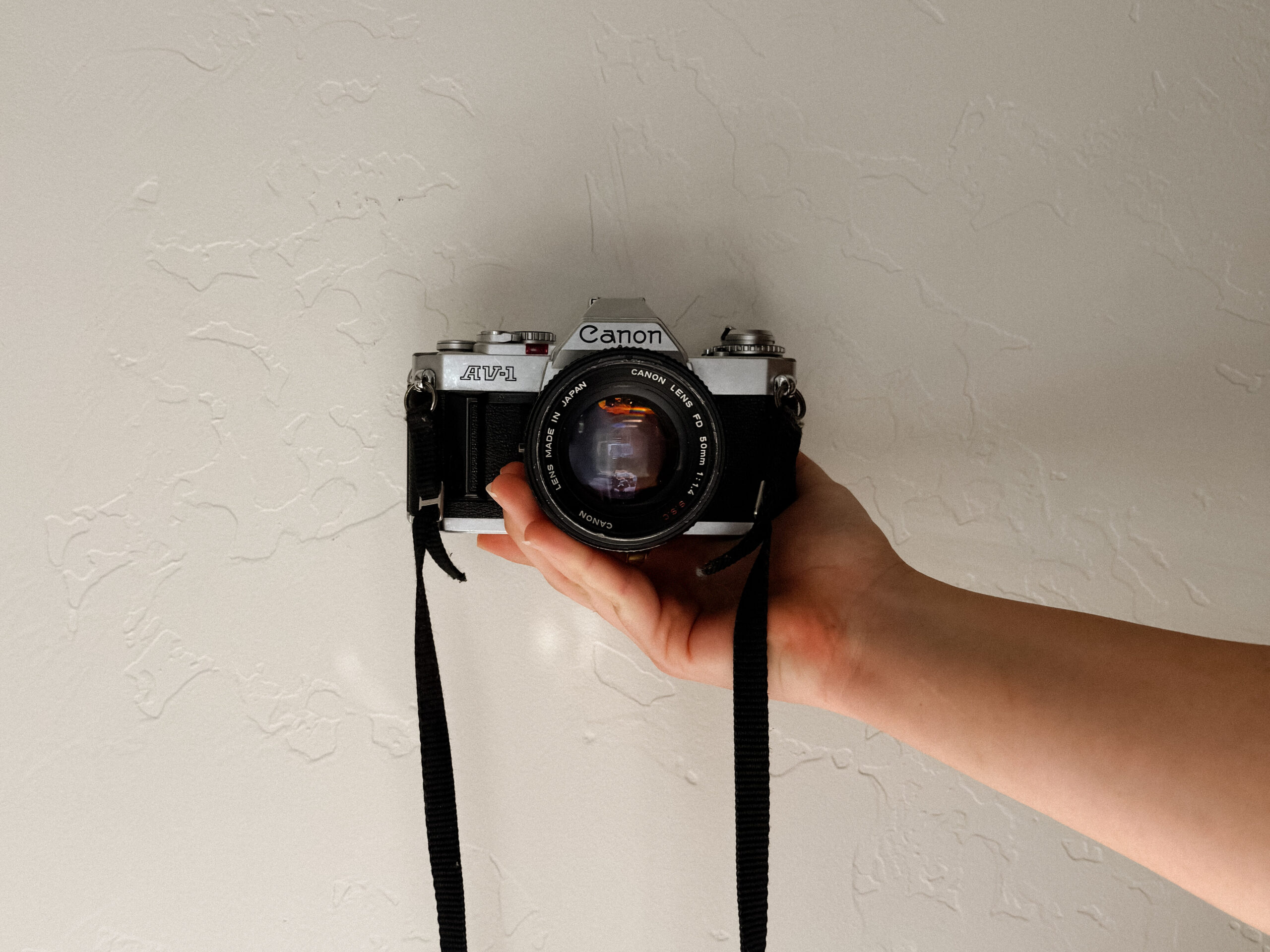
This was my first film camera and truly the one that made me fall in love with shooting analog. I took a lot of “bad” photos before taking some that I was really proud of, but here are some of my favorites.
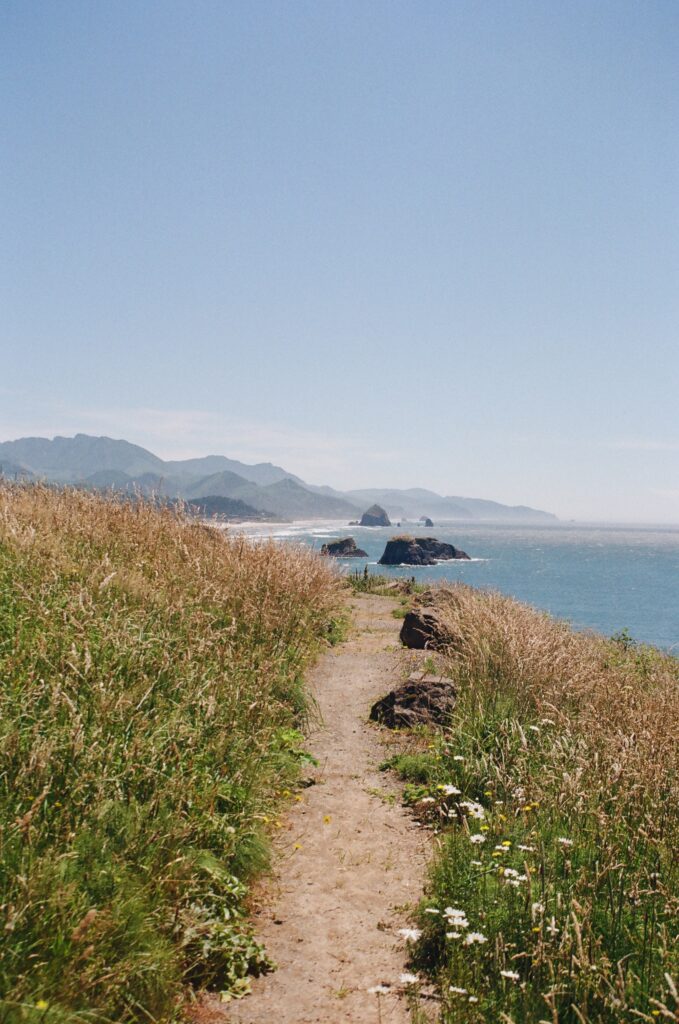
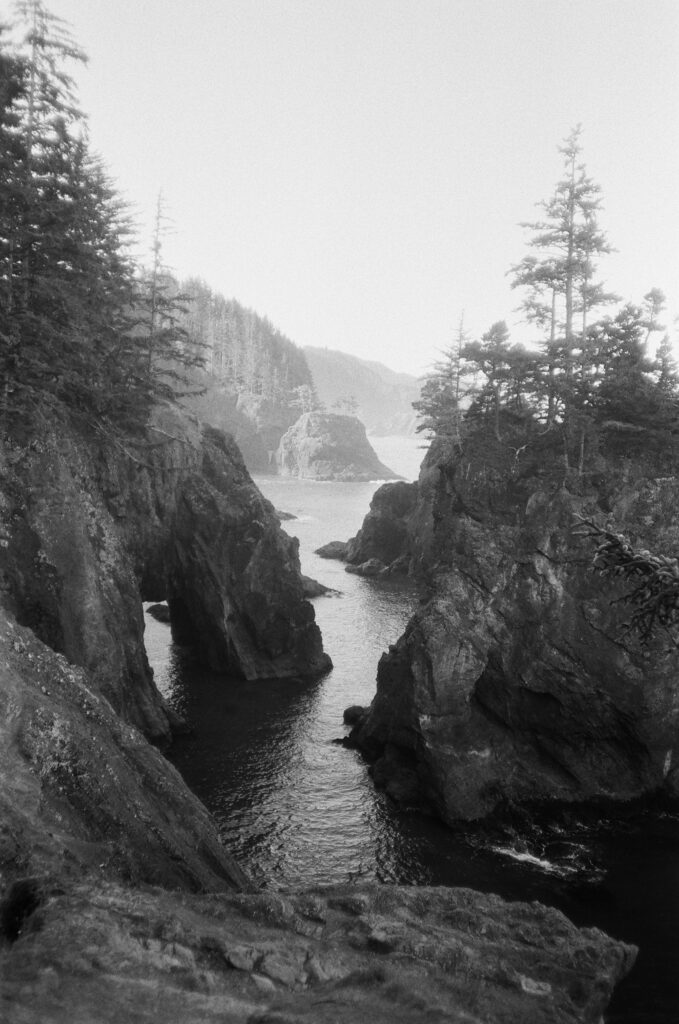
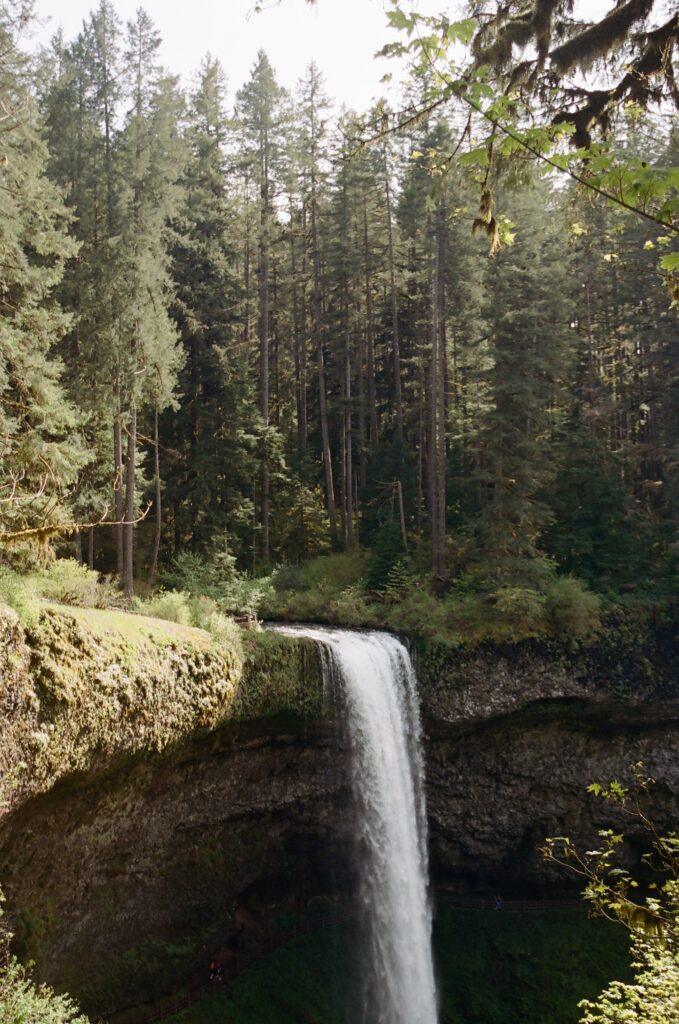

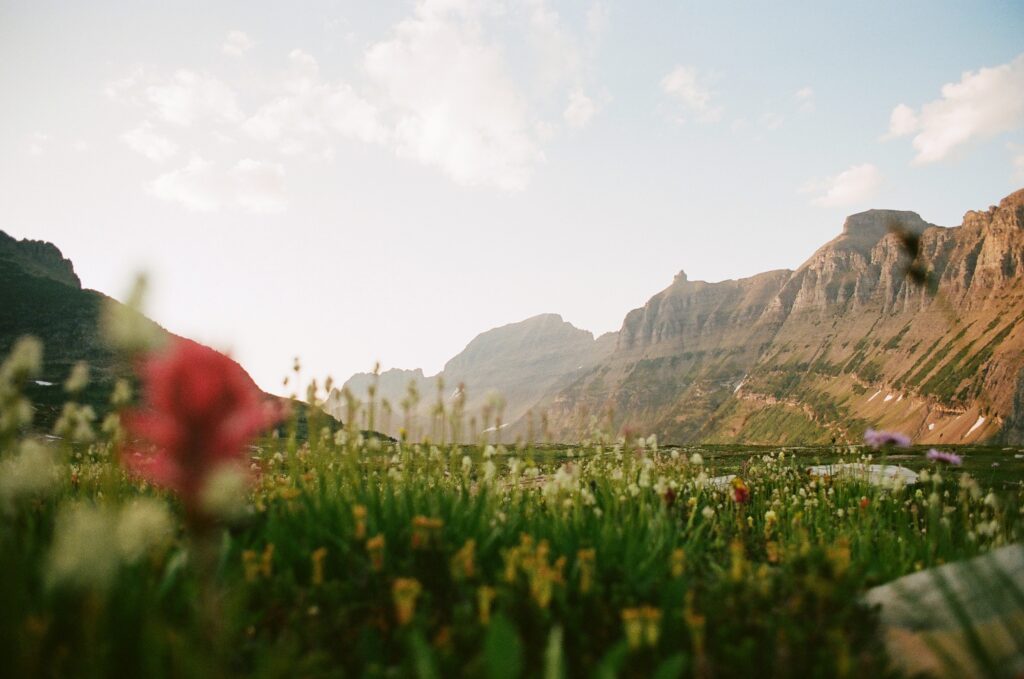
- The Medium Format King (Pentax 645N): For portrait and wedding photographers who want that medium format depth of field, the 645N is a dream. It has excellent autofocus and a dial based interface that makes it incredibly intuitive to use.
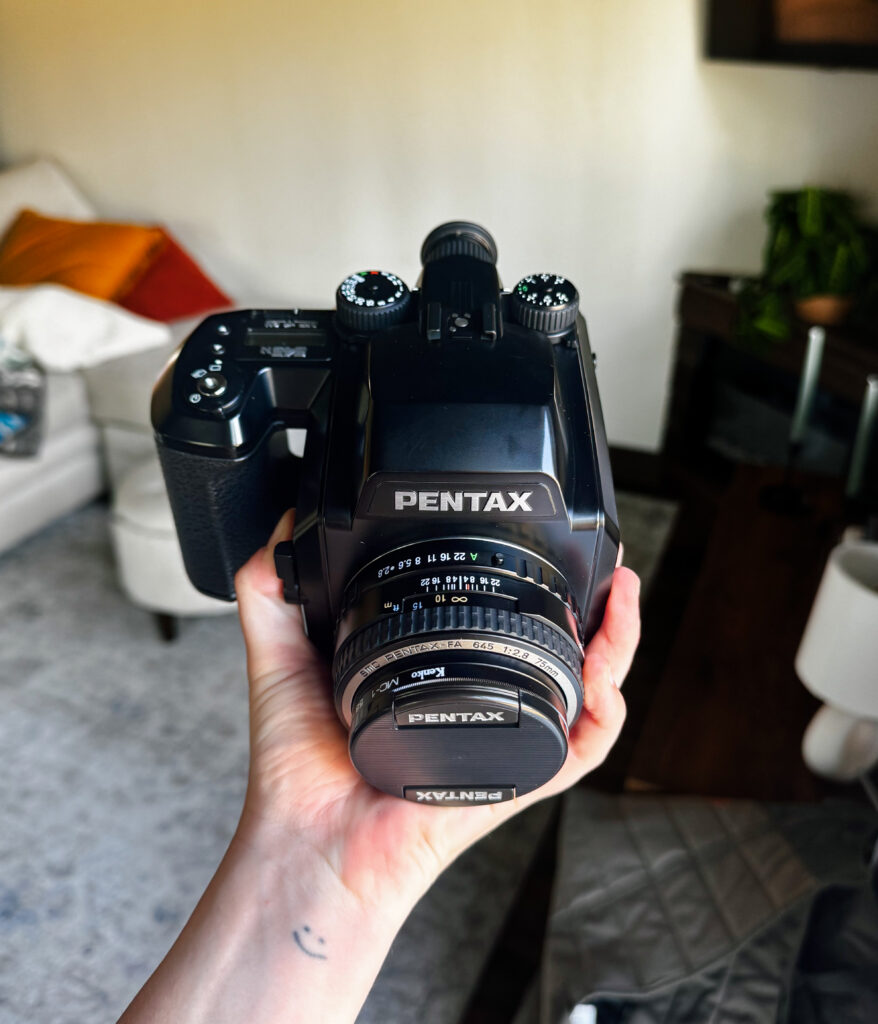
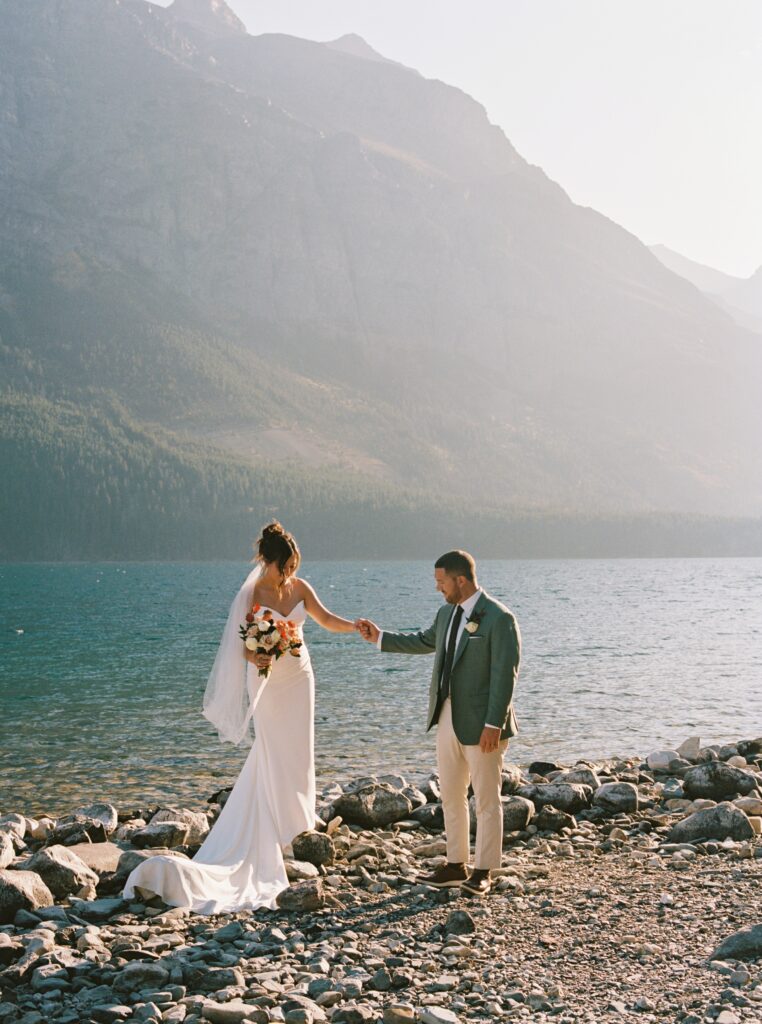
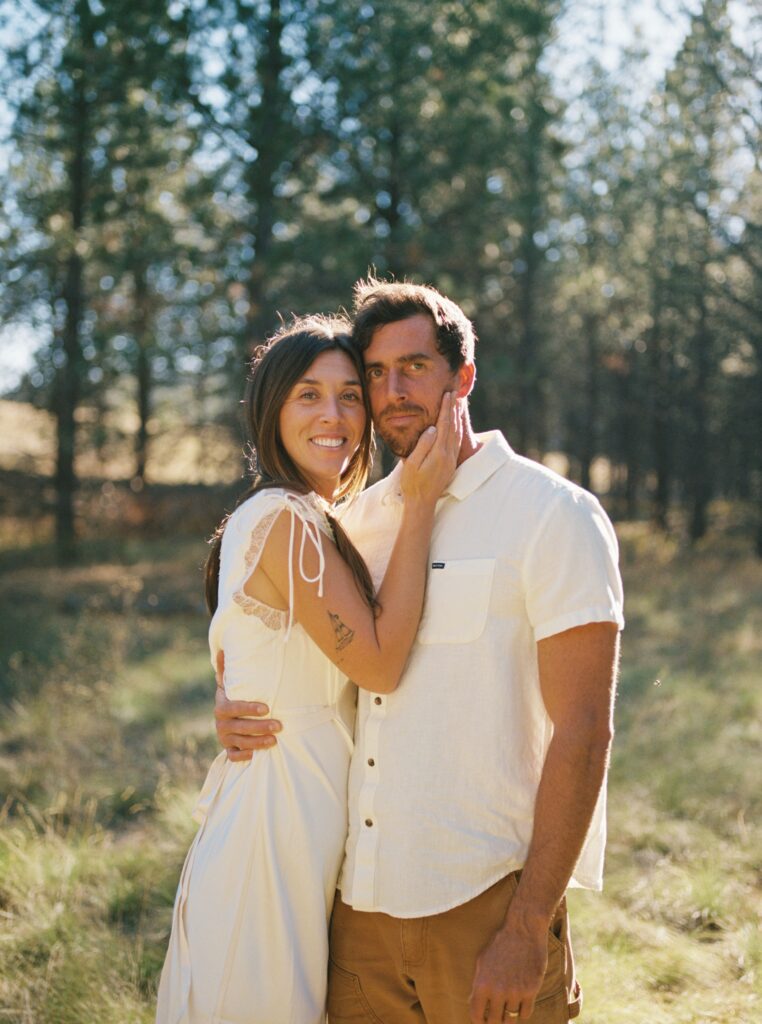
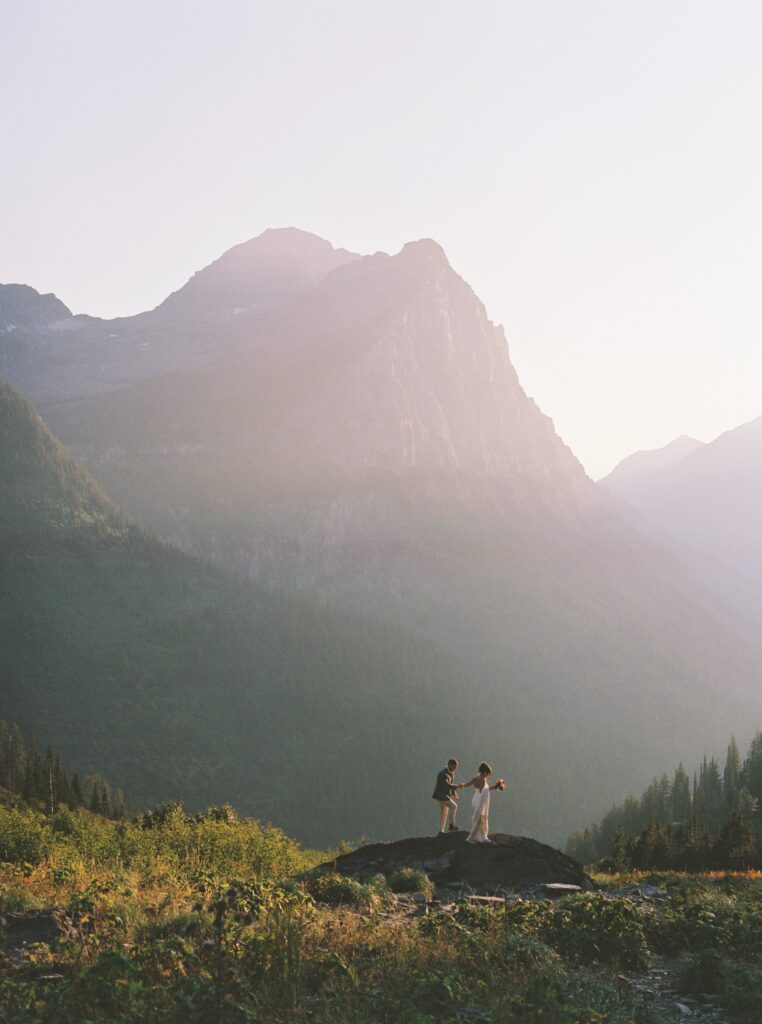
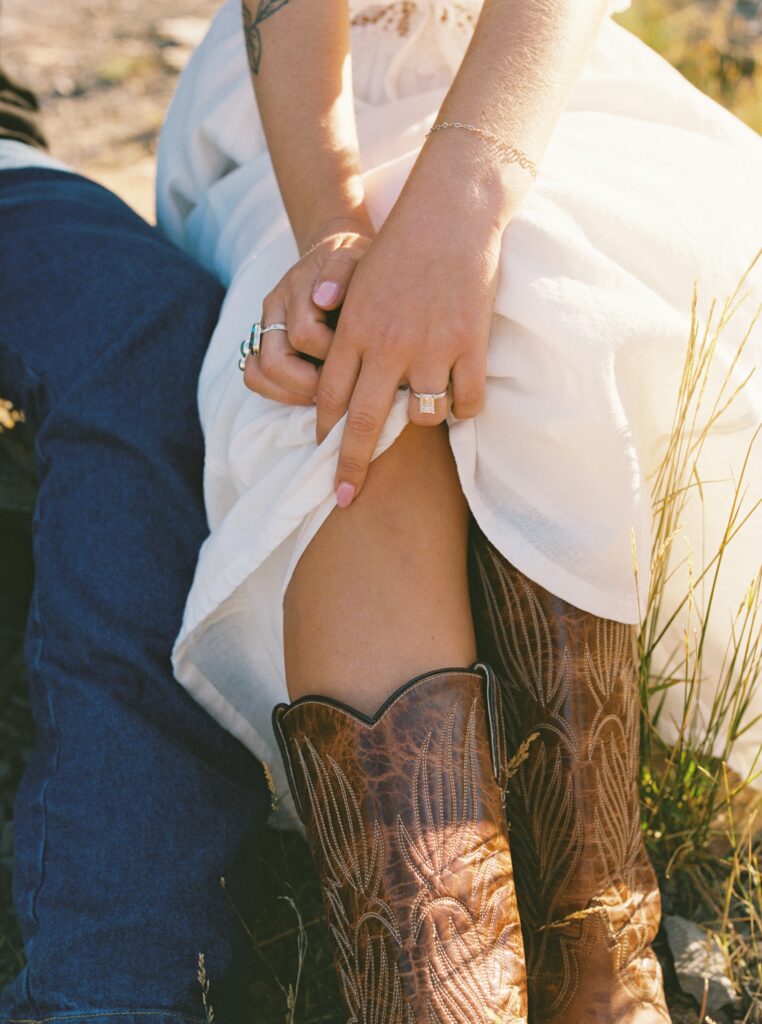
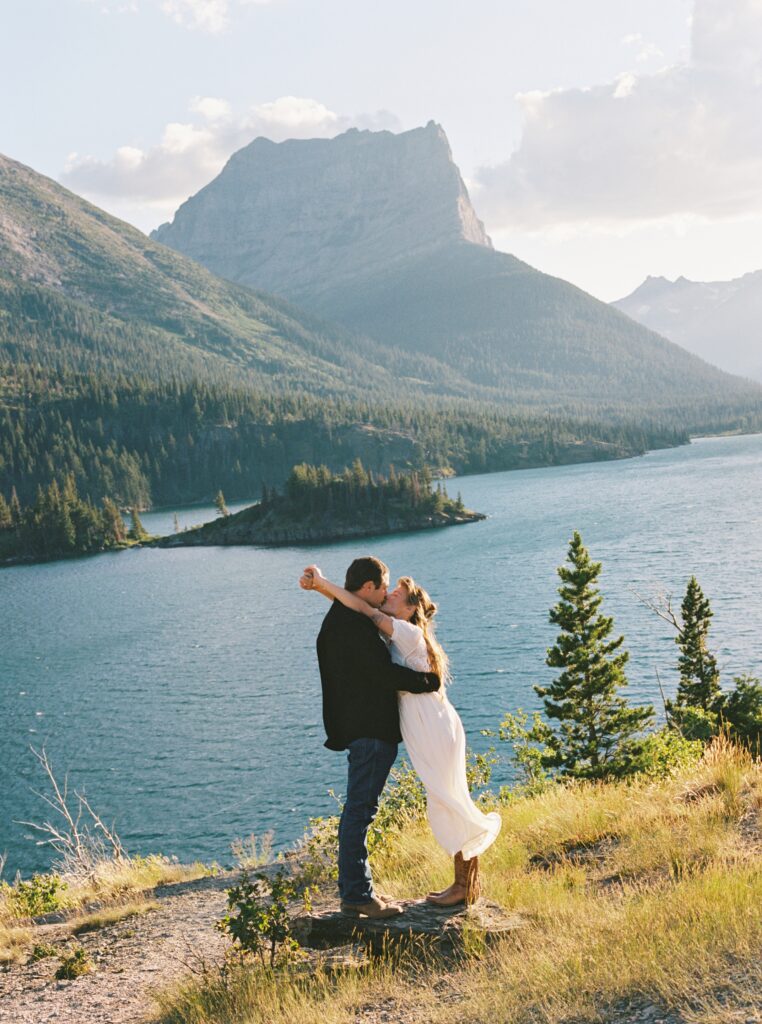
My most recent purchase, and let’s just say there’s no turning back. Every photo from this camera is my new favorite and I am such a sucker for the medium format depth of field. It’s an extremely easy camera to use and I am obsessed! Most of the time you’re going to want to find one from an approved seller on E-Bay since these cameras aren’t manufactured anymore.
Check out a few of my favorite photos from this camera–
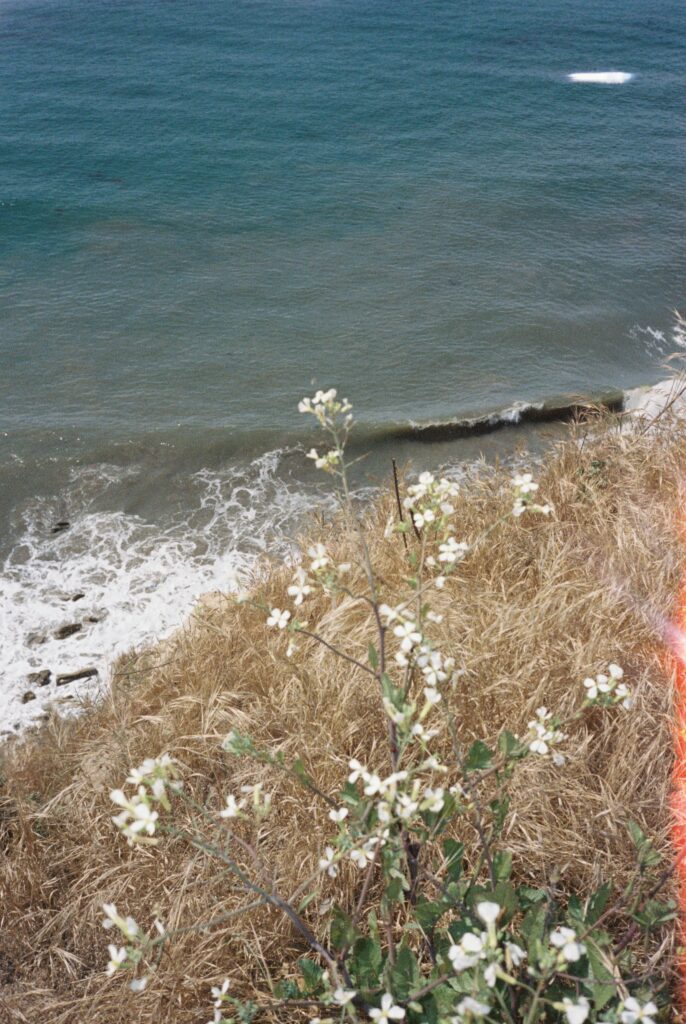
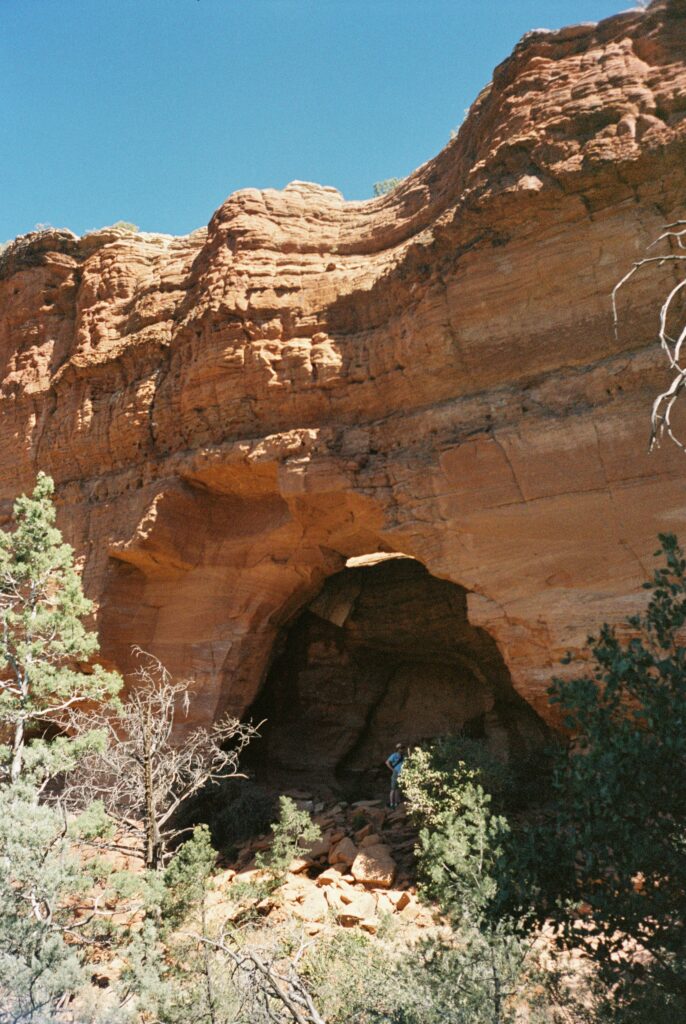
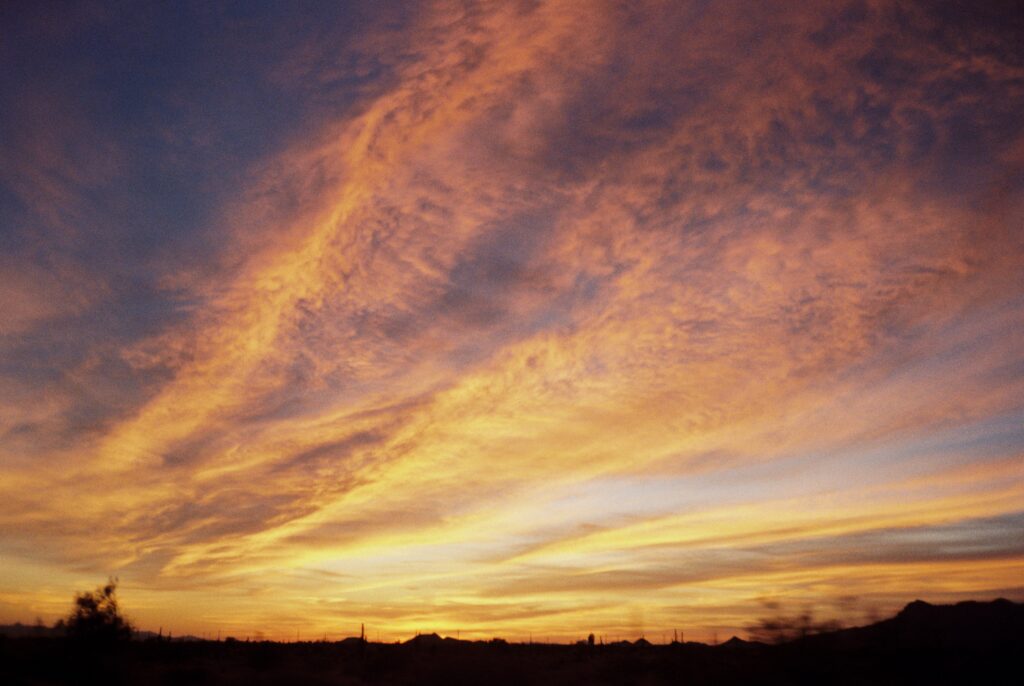
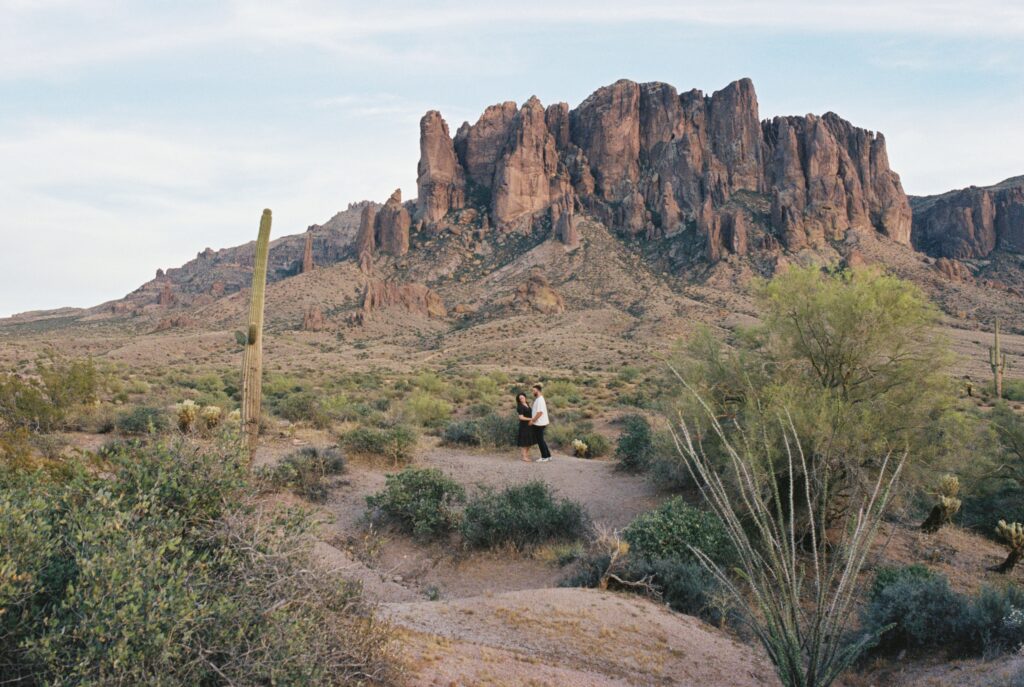
- The Daily Carry (Olympus Stylus): Sometimes you just want a high quality camera that fits in your pocket. The Stylus point and shoot delivers surprisingly sharp results with the convenience of a modern compact.
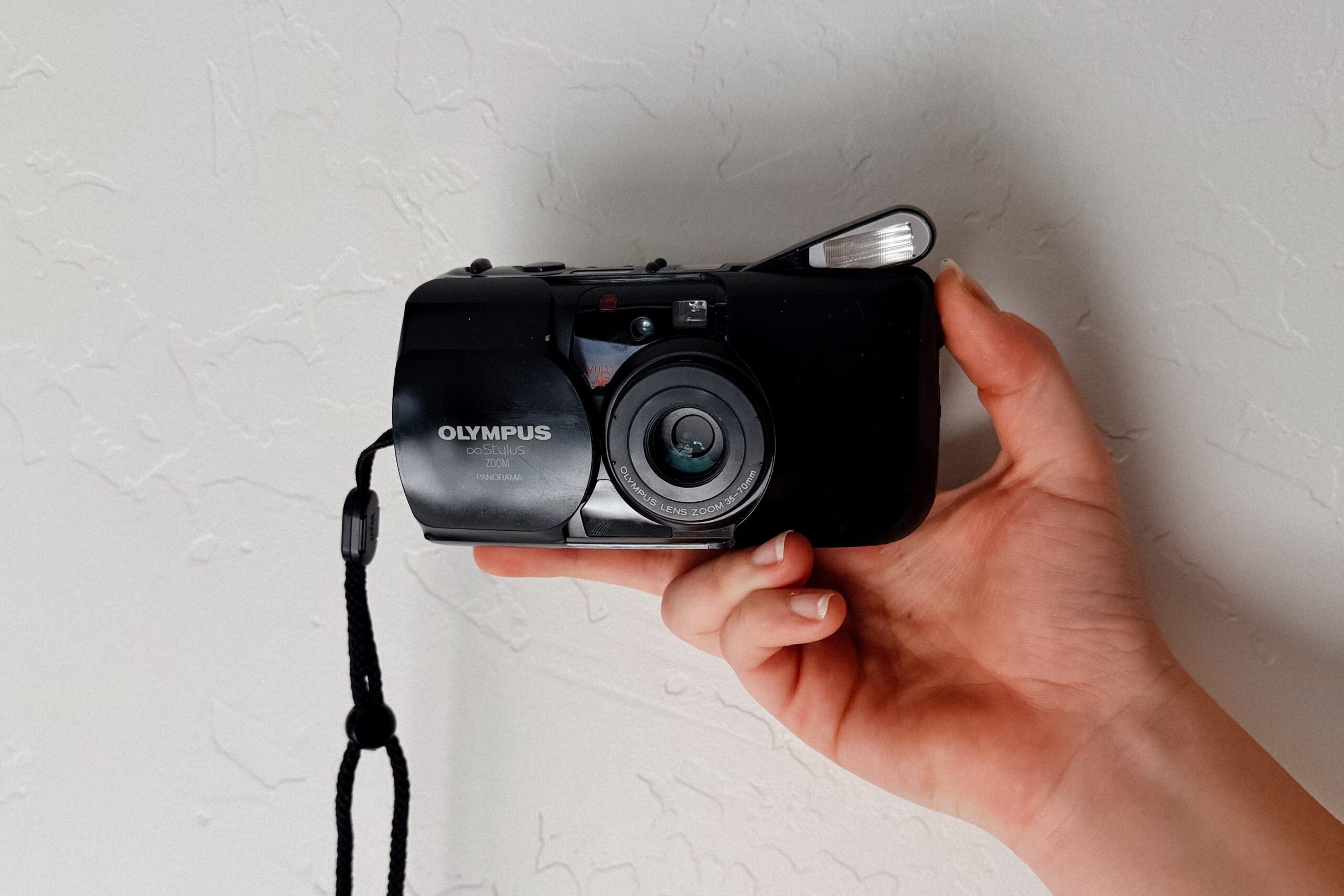
Here are a few photos from this point and shoot.

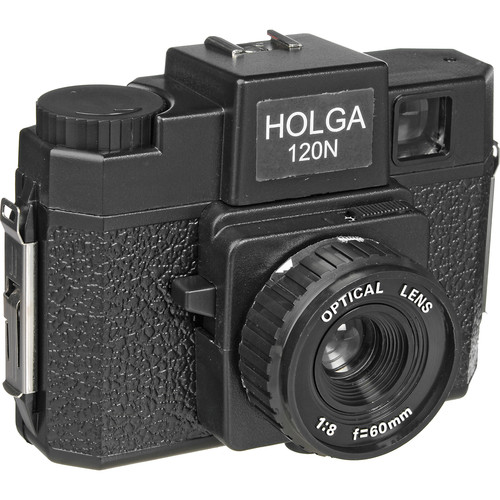
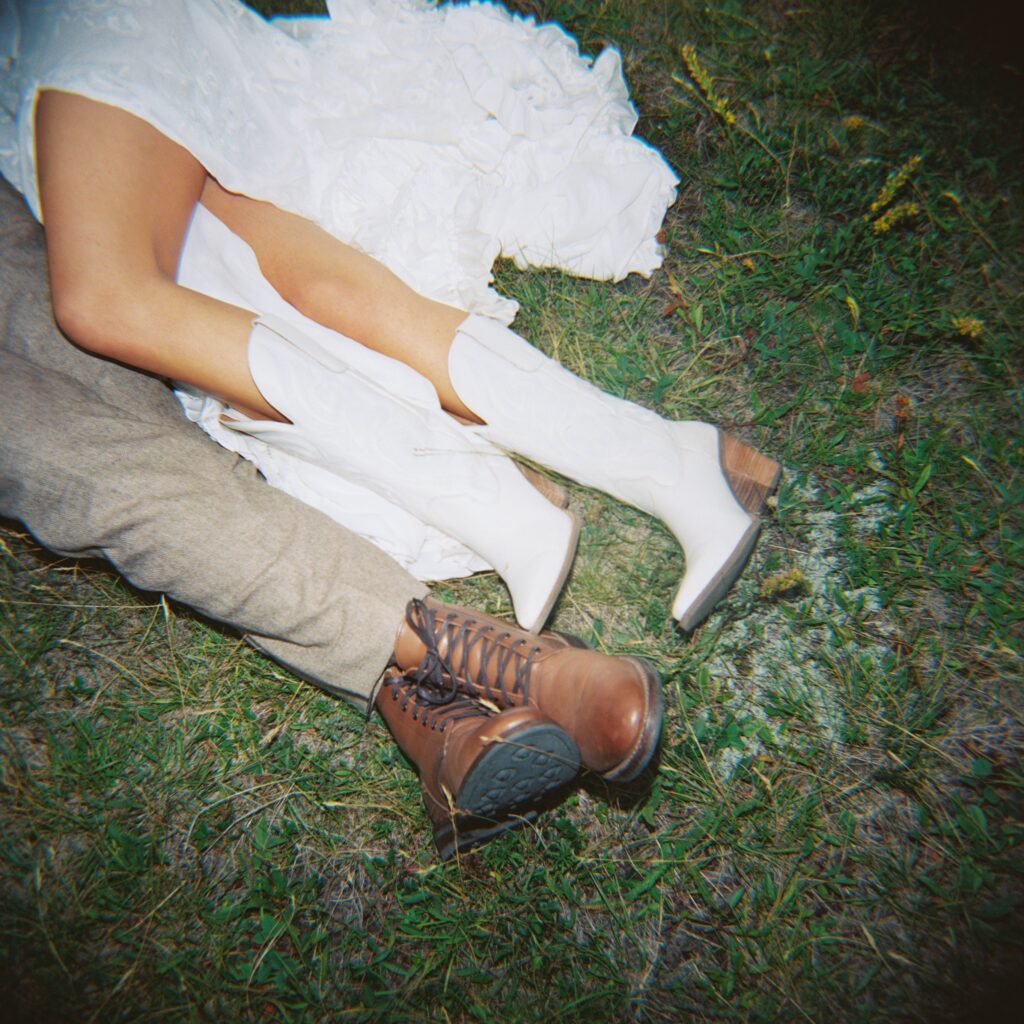
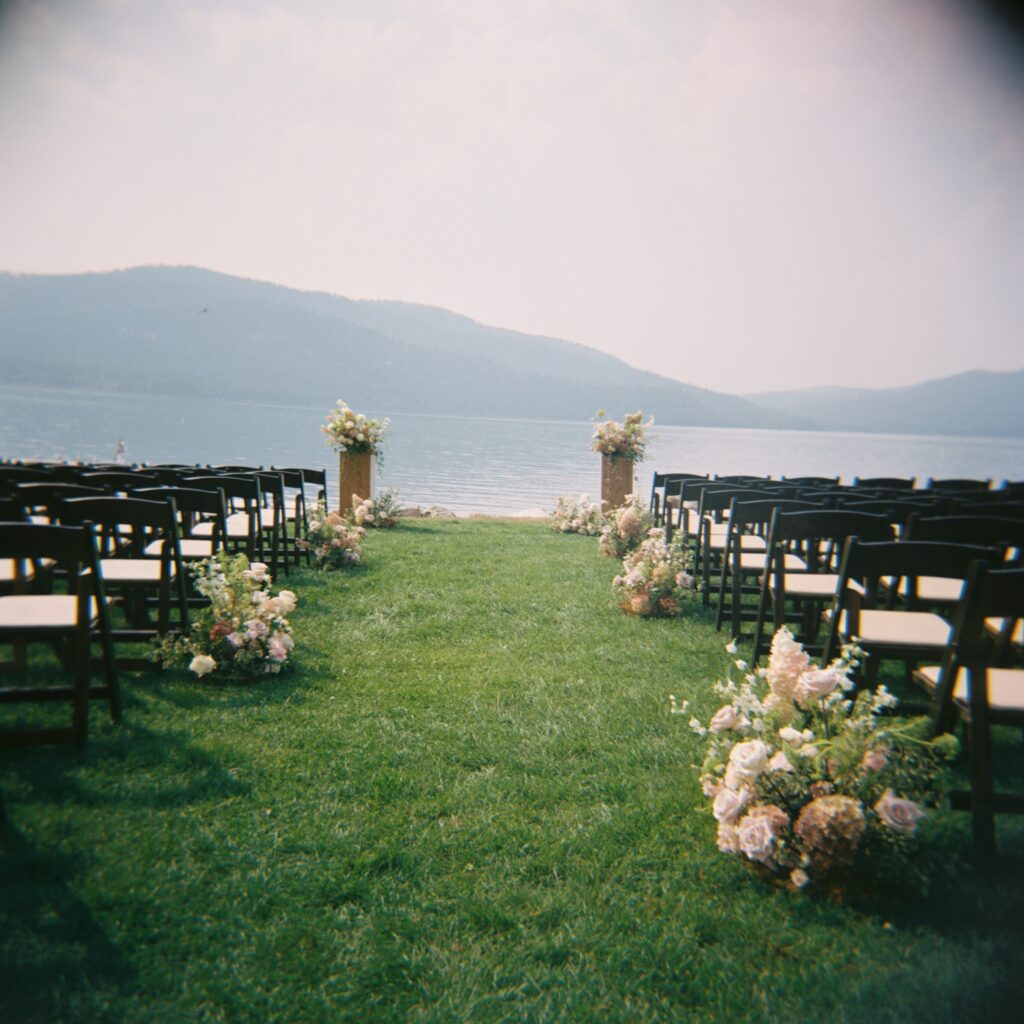
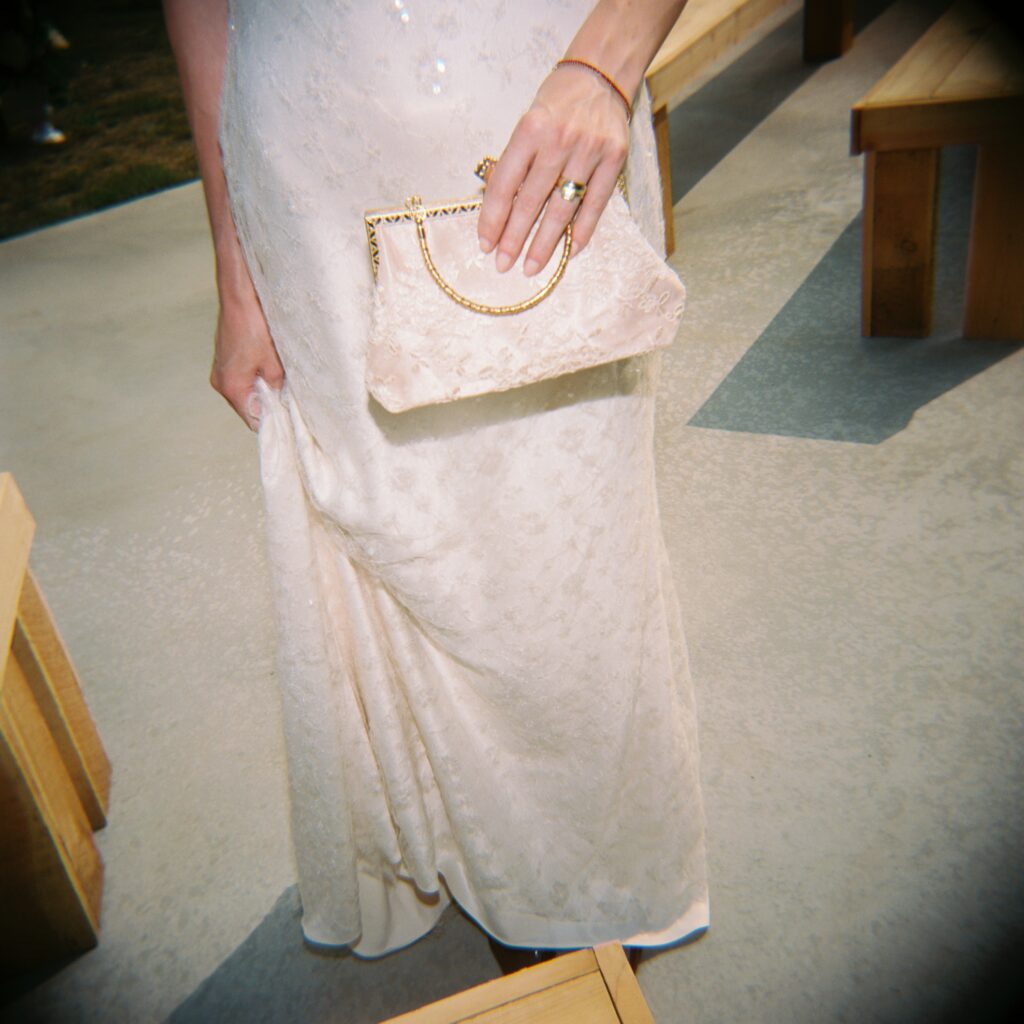
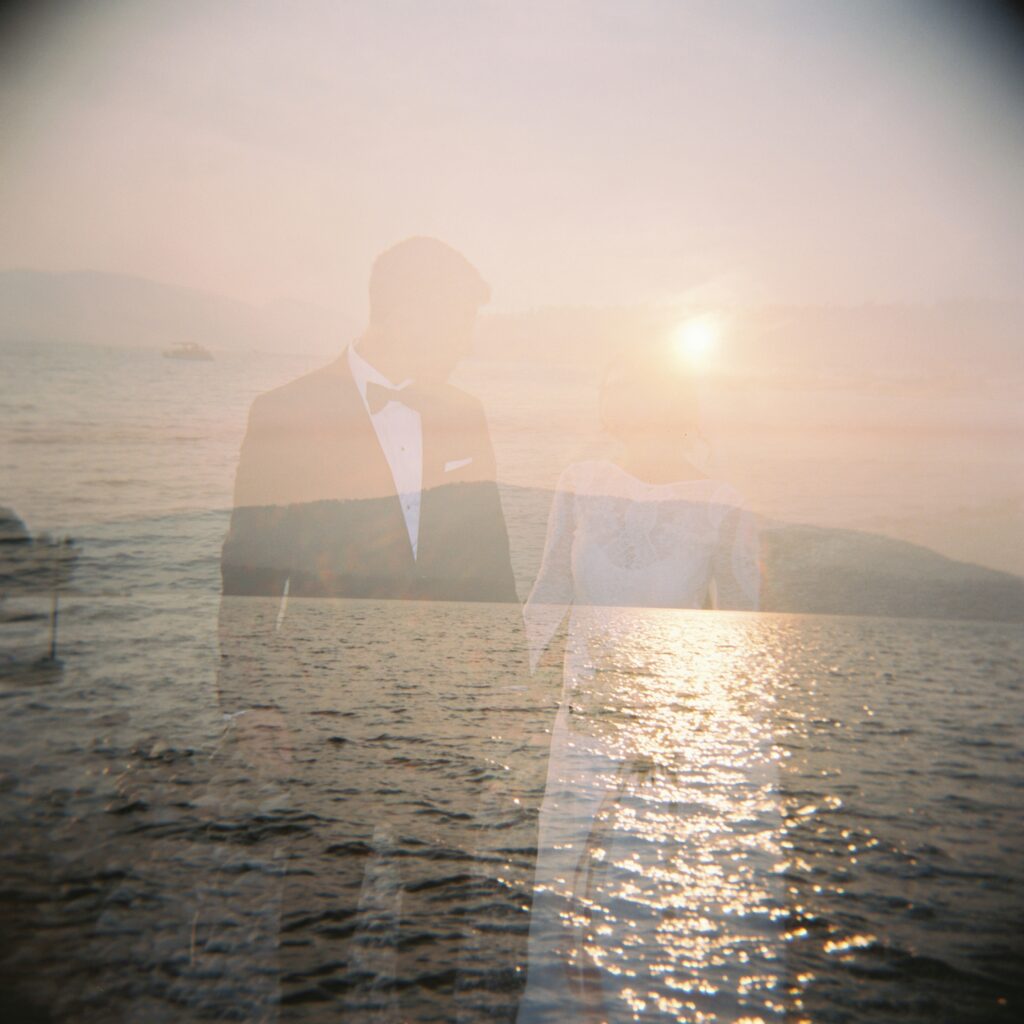
- The Creative Tool (Holga 120N): If you want to embrace the unpredictable, get a Holga. It is a plastic medium format camera famous for light leaks and a lo-fi aesthetic that is impossible to replicate digitally. A lot of wedding photographers have been adding it to their wedding day mix for a unique look that brides are loving. Pro tip- if you plan on using this camera, I would 100% recommend purchasing this flash to go with it!
Here are a few super fun photos I’ve taken with it!
Choosing your film “preset” (stocks)
Think of a film stock as your permanent preset. Once it is in the camera, that is the “look” you are committed to for the next 36 (or 16) shots.
| Film Stock | Format | Best for | Character |
|---|---|---|---|
| Kodak Portra 400 | 35mm / 120 | Portraits | Legendary skin tones, fine grain, high latitude. |
| Kodak Portra 800 | 35mm / 120 | Lower light portraits | Soft skin tones, beautiful in low light, slightly more grain, warm and cinematic feel. |
| Kodak Gold 200 | 35mm / 120 | Travel | Warm, nostalgic, affordable, saturated colors. |
| Ilford HP5 Plus | 35mm / 120 | Everything | Versatile B&W, great contrast, very forgiving. |
Mastering manual exposure without a digital sensor
The biggest shift for digital photographers is losing the ability to immediately review each shot on a screen. You cannot see your results until the film is developed days or weeks later. This means you need to get your exposure right in the moment.
The Sunny 16 rule
If your camera does not have a working light meter (common with the Holga or older SLRs), the Sunny 16 rule is your best friend. On a bright, sunny day, set your aperture to f/16. Then, set your shutter speed to the reciprocal of your ISO.
Using light meter apps
You do not need to buy a $300 handheld light meter right away. Your smartphone is a surprisingly accurate tool. Apps like Lux or “Light Meter Free” use your phone’s camera to give you a reading that bridges the gap while you learn manual exposure.
Developing and scanning: Getting your images back
Once the roll is finished, you need to get it developed. While you can develop at home, we recommend starting with a professional lab to ensure your first results are consistent.
Choosing a professional film lab
Your choice of lab is just as important as your choice of camera. Here are my favorite professional labs:
- Photovision: A premium lab favored by professionals for their consistent color science and incredible customer support. I have been using them consistently for the past few years and have absolutely loved every encounter with them. Located in Salem, Oregon, they receive film from photographers all around the country.
- Richard Photo Lab: Known for the “Richard Look,” they offer expert scanning and customized color grading for high end wedding and commercial work.
- State Film Lab: Known for their customized “Pro Scans”, they are fantastic for photographers who want technician level control over their final look.
Frequently Asked Questions
Is getting into film photography for photographers more expensive than digital in the long run?
While the initial cost of a vintage film camera is much lower than a new digital body, the recurring costs of film and development add up. However, many find that they take fewer, higher quality shots, which balances out the cost.
What is the best camera for getting into film photography for photographers who already use Canon digital gear?
For those with existing Canon glass, the Canon EOS-1V or the Canon AE-1 are excellent choices. The 1V even allows you to use your modern EF lenses, making the transition much smoother.
Do I need a darkroom for getting into film photography for photographers?
Not at all. Most people getting into film photography for photographers use professional mail-in labs like Photovision or Richard Photo Lab. You only need a darkroom if you want to develop and print your own photos at home.
Which film stock should I choose when getting into film photography for photographers for the first time?
We recommend starting with Kodak Gold 200 or Ilford HP5 Plus. Both are affordable, widely available, and very forgiving of minor exposure mistakes.
How do I handle scans when getting into film photography for photographers?
Most labs will provide a digital download of your scans. We recommend ordering ‘Enhanced’ or ‘Pro’ scans so you have enough resolution to edit or print your images later.
Is it cheating to edit my photos after getting into film photography for photographers?
Absolutely not. Even in the traditional darkroom, photographers were ‘editing’ through dodging and burning. Feel free to use Lightroom to adjust contrast or remove dust, as long as you preserve the soul of the film.
Shop My Film Photography Setup
Whether you’re just getting started or want to elevate your film work, these are the cameras and film stocks I personally love and recommend. Some of the cameras are not sold on amazon, so I would recommend looking on E-Bay or Adorama for them!
Beginner Film Setup
If you’re new to film, start here! Simple, reliable, and affordable.
Cameras
- Canon AE-1 (great for learning manual settings)
- Olympus Stylus Point & Shoot (easy, lightweight, great for travel)
Film Stocks
My Wedding & Professional Kit
Cameras
- Canon 1V / Canon 1N (fast, reliable, perfect for wedding days)
- Pentax 645N (medium format, unreal depth and quality)
Film Stocks
- 35mm Kodak Portra 400 (my go-to for most of the day)
- 120 Kodak Portra 400 (for Holga and Pentax)
- Kodak Portra 800 (perfect for low light + receptions)
Creative & Fun Film Options
Cameras
- Fujifilm Instax (instant, nostalgic, great for guests), Purchase extra film here
- Holga (dreamy, imperfect, artistic look)
If you’ve read all the way down here and still have questions, please reach out to me here! I’d love to chat and answer any questions you might have!
CATEGORY
4/29/2026
POSTED
Best Film Cameras and Film Stocks for Beginners (2026 Guide)

Let's get in touch!

you might also see me shooting--
COLORADO WEDDINGS
WASHINGTON WEDDINGS
OREGON WEDDINGS
CALIFORNIA WEDDINGS
COLORADO ELOPEMENTS
WASHINGTON ELOPEMENTS
OREGON ELOPEMENTS
CALIFORNIA ELOPEMENTS


COMMENT LOVE